Training in Ophthalmology and Dentistry
Colour rendering scales

Ra, CQS, GAI, CRI2012, FSI... Is it even possible to express the colour fidelity of artificial light with a single number? Why is it necessary to evaluate the colour rendering of light sources? "It is essential for visual performance, general well-being and mental well-being that the colours of objects and human skin in a given environment are rendered naturally, faithfully and in such a way that people look attractive [...]
Mercury known and unknown - Part 2

The previous part of this article (Světlo 4/2014 pp. 44-46) was a mosaic of known and lesser known properties of mercury. This section reviews several methods for measuring mercury in different environments. Specialized co-authors have taken up the approach to most of them. RNDr. Alice Dvorská, Ph.D. Measurement of atmospheric mercury concentrations Unique measurements of atmospheric mercury concentrations are carried out at the [...]
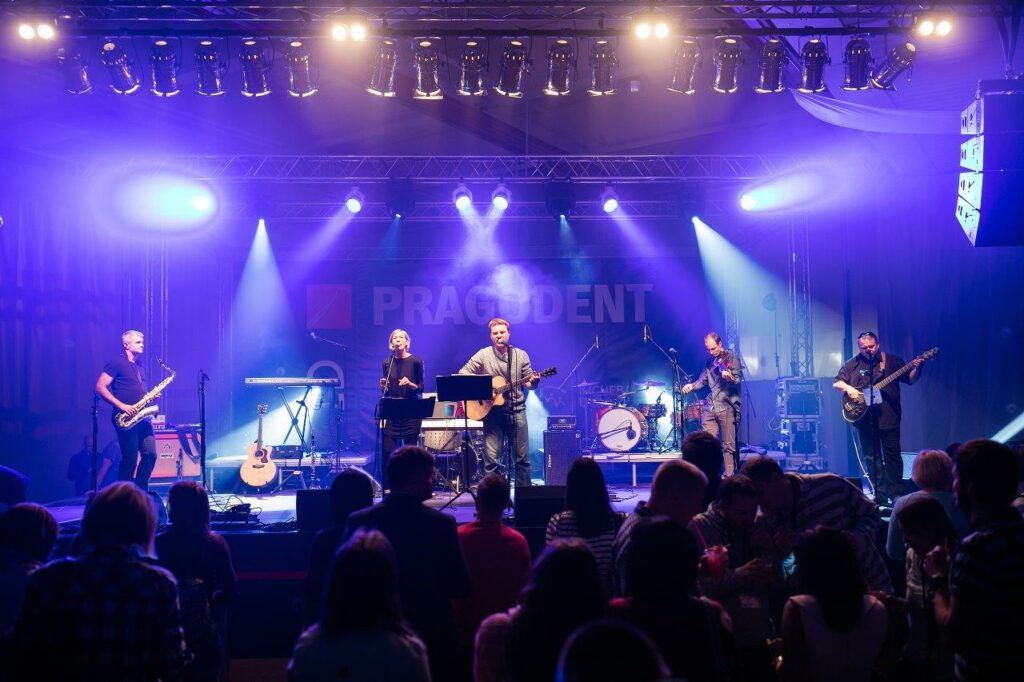
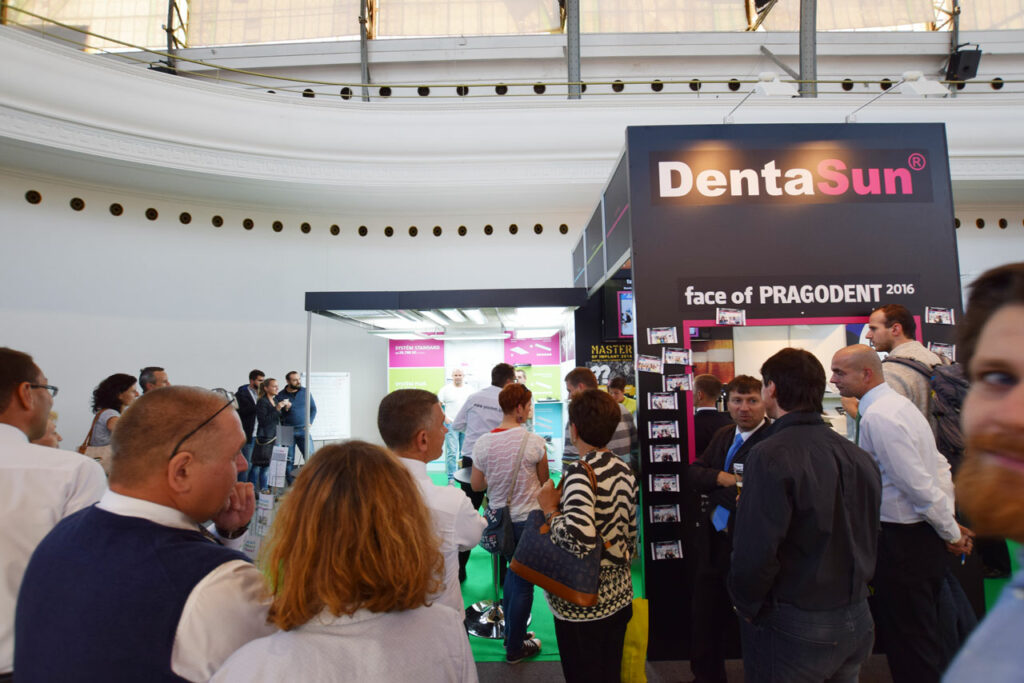
Pragodent 2014
Did you know that luminaires don't just emit light? What about electromagnetic interference from luminaires?

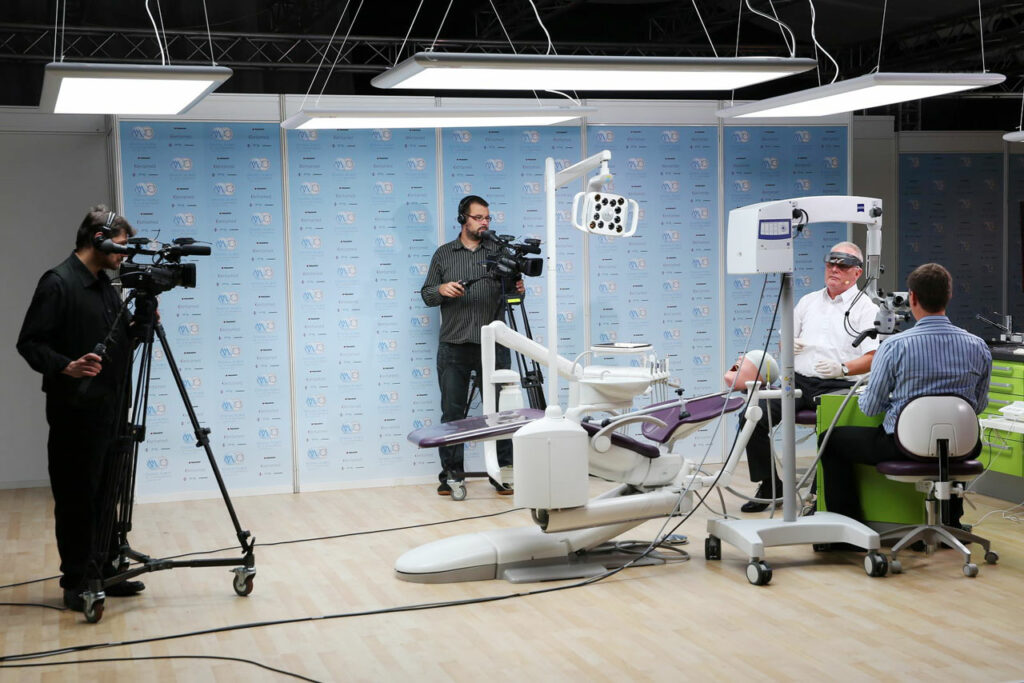
Dentistry is undoubtedly one of the most visually demanding professions. For the most natural working environment in the dental office, balanced lighting of the entire room is also crucial, an indispensable part of which is the pendant light above the chair. However, this is kept close to the doctor's head throughout the day. Every device that works with electricity emits an electric and magnetic field. As a species, [...]
Mercury known and unknown - Part 1

Mercury is a neurotoxic heavy metal and has a bad reputation in the public mind. Customers buying lamps are concerned about its effects on their health. However, for light sources such as fluorescent lamps or mercury lamps, mercury is completely indispensable. End-of-life light sources need to be disposed of properly so that they do not become a burden on the environment. Let's talk about this [...]